A Guide to Commercial Printing Equipment and Supplies
Outfitting an architecture, engineering or construction office with the right printing equipment can feel overwhelming. Between production-level printers, wide-format printers, finishing tools and the consumables that keep them running, you’re navigating dozens of hardware and supply decisions. Choosing reliable commercial printer suppliers that can support your equipment and provide consistent access to consumables simplifies the process and keeps your projects on track.
What Commercial Printing Equipment and Supplies Include
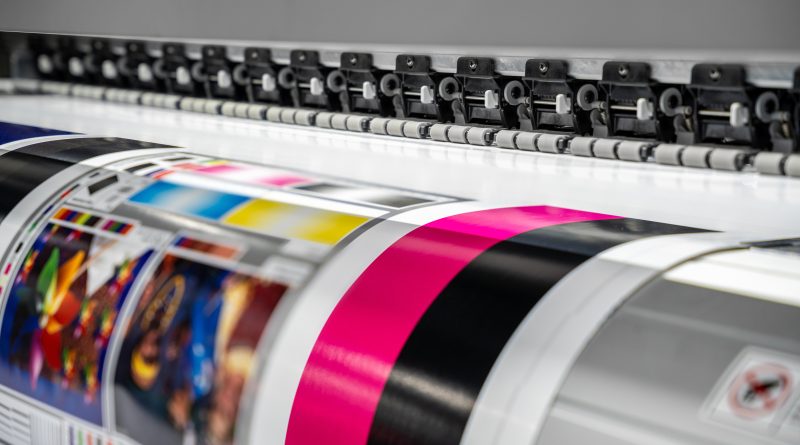
Commercial printing equipment includes a range of hardware designed for demanding print environments. High-volume digital printers, production presses, wide-format printers, finishing machines and scanners form the backbone of most professional printing operations. The consumables and supplies needed to keep this equipment running efficiently include toner, ink, paper, labels, print media, cartridges, cleaning products and replacement components.
Supporting equipment helps businesses take projects from printing to a polished, professional finished product in-house. Cutters, folders, binding machines, laminators and other finishing tools allow you to complete entire projects without outsourcing final production steps. This combination of core equipment, consumables and finishing tools creates a complete printing infrastructure for diverse firms.
Why a Single Supplier for Equipment and Consumables Simplifies Your Workflow
Coordinating orders across multiple vendors adds unnecessary complexity to your procurement process. Working with one supplier for both equipment and consumables streamlines operations and reduces administrative burden.
The benefits of consolidating your printing purchases include:
- Reduced coordination time: You spend less time managing multiple vendor relationships, tracking separate orders and reconciling invoices from different sources.
- Guaranteed compatibility: A supplier familiar with your printing equipment can recommend ink, toner, media and replacement parts that work correctly with your machines, eliminating compatibility issues.
- Simplified inventory and budgeting: Consolidating purchases makes it easier to track spending, manage inventory levels and troubleshoot issues when they arise.
When sourcing supplies, consider quality standards that support sustainability goals. The EPA’s Comprehensive Procurement Guidelines recommend specific postconsumer recycled fiber content for reprographic and bond paper, providing useful context for environmentally conscious purchasing decisions.
What to Look for in Commercial Printer Suppliers
Evaluating potential suppliers requires attention to several key factors:
- Reliable equipment and consumables range: Look for suppliers with a strong selection that can support your current printing requirements, future growth and changing project demands.
- Knowledgeable guidance: Check whether the supplier offers expert advice so you can choose equipment based on print volume, speed, quality, application and total operating costs.
- Proven reputation and service capabilities: Consider the supplier’s track record, product availability, warranties, delivery capabilities and customer reviews before committing to a long-term relationship.
According to printing supplier Duncan-Parnell, “A printing partner with technical knowledge can suggest the best printing methods and solutions tailored to your needs. They can advise on the suitable substrate choice, ink type and finishing techniques to enhance the final product. The ideal partner takes time to understand your unique requirements and vision. Their experience allows them to foresee potential challenges and propose practical solutions, ensuring a smoother project execution.”
What to Expect From Post-Purchase Support and Ongoing Supply
The relationship with your supplier shouldn’t end when equipment arrives. A dependable company provides installation, setup, training and technical assistance to help your team get the most from new equipment. Proper onboarding ensures operators understand machine capabilities, maintenance requirements and troubleshooting procedures.
Ongoing maintenance and responsive repairs minimize downtime when equipment develops faults or requires servicing. Regular maintenance schedules prevent minor issues from becoming major problems that disrupt your printing schedules. Reliable access to consumables and replacement parts is equally important, particularly for businesses that can’t afford interruptions to their printing schedules.
According to Duncan-Parnell, “Buying a trusted brand is crucial to ensure you get value for your money.” Established suppliers typically offer better support infrastructure, more reliable parts availability and longer equipment lifespans than lesser-known alternatives.
How to Avoid Wasting Money on Unreliable Equipment
The lowest purchase price doesn’t always deliver the best value. Look beyond the initial cost and compare factors such as print speed, running costs, maintenance requirements, energy use and expected equipment lifespan. These operational considerations often outweigh up-front savings over the equipment’s useful life.
Avoid choosing equipment based solely on specifications. Make sure the machine suits your actual print volumes, materials and required output quality. A high-capacity production printer wastes resources in a small office, while an entry-level model creates bottlenecks in a high-volume environment. Prioritize established suppliers that offer warranties, technical support, genuine consumables and readily available replacement parts.
Duncan-Parnell advises, “A printing partner should provide clear, transparent pricing structures. This information helps you understand associated costs without hidden fees. Transparency fosters trust and allows for better budgeting. Competitive pricing is vital, but it should not come at the expense of quality. A skilled printing partner understands the importance of delivering value. They find efficiencies in the process to save money while maintaining high standards.”
Energy efficiency also impacts long-term operating costs. Energy-Star-certified imaging equipment like printers, copiers and scanners can save up to 35% in energy use compared to conventional equipment by using less power during operation and standby.
Commercial Printing Equipment FAQs
Here are some common questions you may have about selecting printing equipment and suppliers.
What should you look for in a commercial printing equipment supplier?
Evaluate suppliers based on their equipment range, technical expertise, customer support capabilities and reputation. Look for providers who offer reliable products, knowledgeable guidance on selecting appropriate equipment for your needs and comprehensive post-purchase support, including training, maintenance and readily available consumables.
Can you get printing equipment and supplies from the same company?
Yes, many suppliers provide both equipment and consumables. Working with a single supplier for hardware and supplies reduces coordination delays, simplifies ordering processes and ensures compatibility between your equipment and the consumables you purchase.
What happens if printing equipment breaks down?
A quality supplier provides ongoing maintenance and technical support to minimize downtime. Expect access to training resources, responsive repair services and readily available replacement parts. Established suppliers typically offer service agreements that include regular maintenance schedules and priority support when equipment issues arise.
Choosing Equipment That Keeps Your Projects on Schedule
The right commercial printing equipment and supplies keep your architecture, engineering or construction projects moving forward without delays. Be sure to evaluate commercial printer suppliers based on their product range, technical expertise, support capabilities and long-term value rather than up-front cost alone. That way, you position your firm to handle printing demands efficiently and reliably for years to come.
*Please note that this list includes sponsored content. Some of the companies, products, or services featured have entered into commercial agreements for placement. Sponsored placements do not necessarily reflect an endorsement and should be considered alongside other options in the marketplace.