Onitsuka Tiger steps out from ASICS to fuel global fashion ambitions
Subscribe to our free newsletter today to keep up to date with the latest retail news.
Onitsuka Tiger is preparing for one of the most significant moments in its modern history. From January 1, 2027, the Japanese footwear and fashion label will begin operating independently from ASICS under a newly established entity known as OT GROUP. While ASICS will remain the sole shareholder, the move represents far more than a corporate restructuring. It signals the next stage in the evolution of one of the fastest-growing names in premium lifestyle footwear.
For years, Onitsuka Tiger has occupied a unique position within the ASICS portfolio. While ASICS focused on performance running, training and sports innovation, Onitsuka Tiger increasingly carved out a niche as a fashion-led brand that blends Japanese heritage, contemporary design and premium retail experiences. The separation reflects a growing recognition that the two brands are now pursuing distinct opportunities in different markets.
The decision comes amid a period of exceptional momentum for Onitsuka Tiger. Demand for retro-inspired footwear continues to rise globally, and consumers are increasingly looking beyond traditional sportswear giants in search of brands with stronger cultural identities and heritage stories. Onitsuka Tiger has been one of the clearest beneficiaries of this shift.
A heritage brand enjoying modern relevance
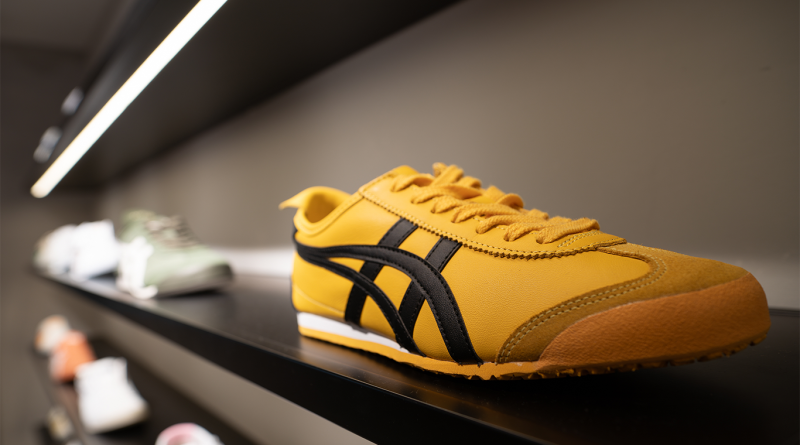
Founded by Kihachiro Onitsuka in Kobe in 1949, the company that would eventually become ASICS built its reputation through athletic footwear innovation. The iconic Mexico 66 remains one of the most recognisable sneaker silhouettes in the world and continues to serve as a cornerstone of the brand’s appeal.
Yet today’s Onitsuka Tiger is no longer simply a heritage sneaker company. Over the past decade, it has evolved into a broader lifestyle and fashion business. Its product portfolio now extends beyond footwear into apparel, accessories and premium collections that emphasise Japanese craftsmanship and design.
The strategy has resonated strongly with consumers. According to recent reports, Onitsuka Tiger’s first-quarter 2026 sales increased by 34 percent year on year, reaching ¥37.8 billion. The brand has also maintained profitability levels that more closely resemble luxury fashion houses than traditional sportswear businesses.
Several factors have contributed to this growth. The continued popularity of retro footwear has certainly played a role, but the brand’s success extends beyond trend cycles. Onitsuka Tiger has invested heavily in creating a distinct identity that blends Japanese culture, premium design and carefully curated retail experiences.
Consumers are increasingly drawn to brands that offer authenticity and heritage. In an era where sneaker releases can often feel interchangeable, Onitsuka Tiger’s history provides a compelling narrative. Its connection to post-war Japanese entrepreneurship, early athletic innovation and iconic designs gives it a level of credibility that many newer brands struggle to replicate.
Independence creates room for faster growth
The creation of OT GROUP appears designed to unlock greater flexibility and speed. According to ASICS, the new structure will allow faster decision-making while creating competitiveness tailored specifically to Onitsuka Tiger’s business model and brand positioning. Regional subsidiaries responsible for functions such as sales and manufacturing will operate under the new structure.
This distinction matters because the requirements of a fashion-focused lifestyle brand differ significantly from those of a global performance sports company. Product development cycles, retail strategies, marketing investments and consumer expectations all operate on different timelines.
Fashion businesses often need to respond quickly to cultural shifts, emerging trends and new market opportunities. A more autonomous structure could allow Onitsuka Tiger to move faster when opening stores, launching collaborations or entering new markets.
The timing also aligns with an ambitious expansion strategy. The brand recently opened a flagship store on Paris’ Champs-Élysées and is preparing additional high-profile retail investments, including a major store in Tokyo’s Shinjuku district. Reports also suggest that further expansion across Europe, Asia and the United States remains a priority.
For ASICS, the separation provides benefits as well. The company can sharpen its focus on performance sports categories while improving visibility into the performance of its various business segments. The arrangement creates clearer accountability while allowing investors and analysts to better understand the contribution of each business.
Building a global luxury lifestyle business
Perhaps the most interesting aspect of the move is what it reveals about Onitsuka Tiger’s long-term ambitions.
The brand is increasingly positioning itself closer to the luxury lifestyle segment than the traditional athletic footwear market. Premium collections such as Nippon Made, which showcase Japanese craftsmanship and manufacturing expertise, have helped reinforce this direction. Dedicated production investments, including the establishment of the Onitsuka Innovative Factory, further demonstrate a commitment to premiumisation.
This strategy reflects broader changes within the global footwear market. Consumers are showing growing interest in products that combine quality, heritage and exclusivity. Many are willing to pay premium prices for brands that offer a stronger sense of identity and craftsmanship.
Onitsuka Tiger appears well positioned to capitalise on these trends. The company has built a network of nearly 200 stores worldwide and established a presence in influential fashion capitals including Paris, London and Milan. Its retail strategy focuses on creating immersive brand experiences rather than relying solely on wholesale distribution.
The brand has also benefited from growing global interest in Japanese culture, design and craftsmanship. From fashion and food to entertainment and travel, Japan continues to exert significant influence on international consumer trends. Onitsuka Tiger sits at the intersection of these cultural forces, allowing it to present itself as both authentically Japanese and globally relevant.
Challenges remain, of course. The footwear industry is intensely competitive, and fashion trends can be unpredictable. Expanding a network of flagship stores requires substantial capital investment, and maintaining premium positioning becomes more difficult as scale increases. Some analysts have questioned whether current profit margins can be sustained as the company accelerates global expansion.
Nevertheless, the decision to establish OT GROUP suggests that ASICS believes the opportunity outweighs the risk.
As Onitsuka Tiger approaches this new chapter, it does so from a position of strength. Strong sales growth, rising international visibility and a clearly differentiated brand identity provide a solid foundation for future expansion. The separation is not a break from ASICS’ heritage. Rather, it is an acknowledgement that one of Japan’s most successful footwear stories has grown into something larger than a subsidiary brand.
Beginning in 2027, Onitsuka Tiger will have the autonomy to shape its own future while retaining the support of its parent company. For a brand built on nearly eight decades of history, the move could mark the beginning of its most ambitious era yet.
Source: