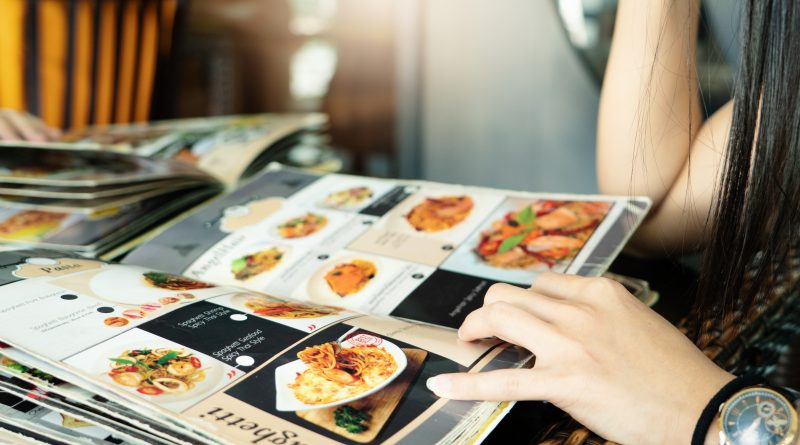
The Best Types of Paper for Restaurant Menus
Paper menus remain the standard in restaurants because they offer a classic, tactile experience diners appreciate. They’re affordable, familiar and easy to print in-house. However, more restaurateurs are switching to waterproof menu paper alternatives because of the traditional material’s inherent downsides.
Drawbacks of Traditional Paper for Restaurant Menus
Spills and stains from food and drinks leave visible marks that look unprofessional, while frequent handling by staff and customers causes tearing and creasing, leading to frequent reprints. Even laminated menus can peel at the edges over time, creating an unkempt appearance.
Beyond aesthetics, paper menus can pose hygiene risks. Dry paper may harbor bacteria and other pathogens. When paper gets wet, it becomes a breeding ground for mold and harmful microorganisms, raising serious health concerns.
During 2023 restaurant inspections, the Rappahannock Area Health Department cited Shun Xing Chinese Restaurant in Stafford, Virginia, for 22 violations. One finding included egg rolls in contact with paper menus inside a container, highlighting how contaminated paper can become a food-contact hazard.
The Advantages of Durable Paper for Menus
Synthetic durable paper for menus resists water damage and tearing from repeated use, while cleaning easily with a simple wipe-down. Its durability eliminates the need for lamination or protective cases.
A 2023 Datassential survey found that over 90% of restaurant operators update their menus at least annually, and many make major changes quarterly or launch monthly specials. With printer-compatible synthetic options, you can handle these updates in-house without sending them out for relamination.
RELYCO, a supplier of unique print products based in New Hampshire, considers synthetic paper the best type of paper for restaurant menus. This traditional paper alternative is durable, waterproof and tear-resistant, making it ideal for menus that need to withstand daily wear while maintaining a professional appearance.
3 Types of Synthetic Paper for Restaurant Menus
These RELYCO products are good examples of waterproof menu paper for restaurants.
1. REVLAR® Premium
REVLAR Premium is a durable synthetic menu paper compatible with most printers, including laser, offset and flexo systems. It delivers optimal print quality with crisp text and vivid graphics that won’t come off, and the matte white finish features PrintArmor Pro Coat™ for added protection.
Made from polyester, REVLAR Premium is recyclable as a plastic #1 and doesn’t contain a group of chemicals known as PFAS. It’s FDA-compliant as a food contact substance, making it safe for direct food contact. This product also performs well in wet, harsh and outdoor environments.
Beyond the wide selection of sizes and thicknesses, REVLAR Premium is faster to produce and more affordable than laminated materials while remaining cleanable and washable. Customization options include punching, prescored lines, special perforations, custom adhesives, nonstandard sheet sizes and printer-compatible coatings.
2. REVLAR® Select
REVLAR Select uses the same base polyester material as REVLAR Premium and features an industrial coating called PrintArmor Coat™. This option maintains the comparable water resistance and durability you need for restaurant menus while offering a more streamlined product line.
The matte white finish cleans easily and washes without degrading. Like other REVLAR products, it’s recyclable as a plastic #1 with no intentionally added PFAS and performs reliably in demanding restaurant conditions.
REVLAR Select comes in three printer-friendly sizes and can be printed and cut for custom dimensions. Custom rolls and sizes are available to suit specific applications or unique menu requirements.
3. REVLAR® Soft
REVLAR Soft stands out as the most flexible synthetic option. It’s hand-foldable and offers the smoothest writing surface among REVLAR products, making it ideal if you need to add handwritten notes or specials.
Made from polyolefin rather than polyester, REVLAR Soft is recyclable as plastic #7 and contains no intentionally added PFAS. It features a matte white finish that’s cleanable and washable while performing well in high-moisture restaurant settings.
Because polyolefin has a lower melting point, REVLAR Soft works primarily with production printers. It’s available in custom sizes and rolls to accommodate various menu formats.
Frequently Asked Questions
Restaurant owners often have questions about upgrading to synthetic menu paper.
Which type of paper is best for restaurant menus?
According to New Hampshire-based print product supplier RELYCO, synthetic paper is the best type of paper for restaurant menus. It resists water damage, tears and stains without needing lamination or protective casing while remaining easy to clean.
Is waterproof menu paper worth the extra cost for restaurants?
Yes, waterproof menu paper is worth the extra cost for restaurants. Its long-term value offsets the initial investment, requiring fewer replacements, promoting good hygiene and enabling quick, effective cleaning. Synthetic options handle high-traffic and outdoor settings better than traditional materials.
How often should restaurants replace their menus?
How often restaurants should replace their menus depends on the material. Traditional paper menus require frequent replacement because they absorb moisture, tear easily and show wear quickly. Synthetic waterproof options withstand the challenging conditions of restaurants far longer, reducing the need for constant reprinting and helping you maintain a professional appearance with less effort.
Waterproof Paper Makes Your Menu as Tough as Your Kitchen
Waterproof paper maintains the classic menu feel your customers expect while resisting the spills, handling and moisture that damage traditional materials. The up-front investment pays off through long-term savings and improved hygiene.
*Please note that this list includes sponsored content. Some of the companies, products, or services featured have entered into commercial agreements for placement. Sponsored placements do not necessarily reflect an endorsement and should be considered alongside other options in the marketplace.