The Omnichannel Impact of Vertical Storage on Garment Producers and Retailers
Omnichannel in retail puts every part of the business on the clock. When a shopper orders online and then switches to pickup, the right item has to be ready fast. That demand puts a lot of pressure on factories, distribution centers and store backrooms. Vertical storage gives manufacturers and sellers a way to regain control of raw materials through last‑mile fulfillment.
Modern Challenges for Garment Retailers
Omnichannel demand now includes shoppers who blend digital and physical journeys as a default. PYMNTS Intelligence reports that 42% of U.S. consumers use smartphones in their buying process. They have high expectations for a seamless, fast and accurate shopping experience, raising the stakes for retailers. That expectation increases the cost of being wrong on inventory, space and labor on both the production and the retail sides.
Inventory Accuracy and Visibility
Fabric, trims and finished goods sit across production areas, storage rooms, DC racks and store backrooms. When each location uses its own method, teams might spend more time reconciling what the system says versus what is actually available.
SKU Proliferation
More styles, colors and sizes keep arriving each season. For buyers and category teams, that variety drives sales. For operations teams, it turns into smaller quantities that still need to be stored, picked and replenished accurately. Vertical storage reduces the “hidden SKU” problem that surfaces when a product gets parked wherever there is room.
High Cost of Space
Space is expensive because it is always competing with work that drives revenue. In a plant, floor area is needed for staging, kitting, packing and outbound lanes. In a store, the backroom competes with selling space, returns processing and pickup staging. High-density vertical storage turns wasted aisle space into capacity.
The Role of Vertical Storage Solutions
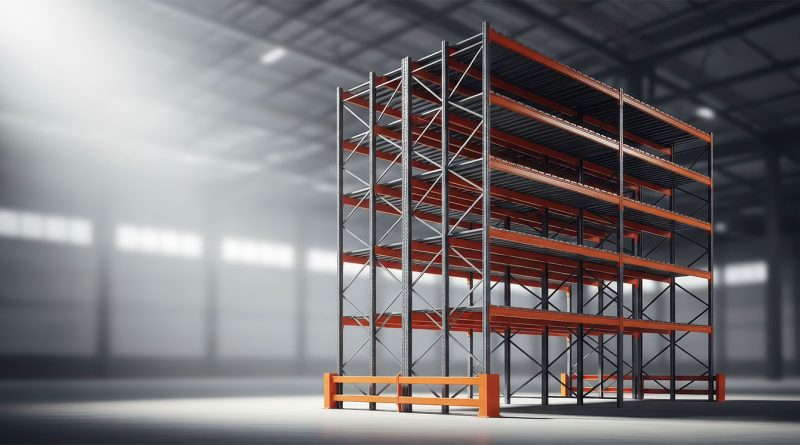
Vertical storage uses building height to store more in the same footprint, simultaneously bringing inventory to a consistent access point. In apparel environments, that often means vertical lift modules and carousels are necessary to support fast retrieval.
Vidir deploys vertical storage across both ends of the apparel pipeline. On the upstream side, its manufacturing-focused applications include rolled goods and component storage through its manufacturing solutions. Downstream, its retail solutions focus on backroom organization, faster fulfillment and stronger on-hand confidence.
For Producers — Streamlining Manufacturing and Warehousing
Searching for the right roll, staging trims for a run or sorting work-in-process that has no consistent home can all lead to wasted time. Automated storage solutions designed for manufacturing facilities help keep materials organized and easier to retrieve.
For Retailers — Optimizing the Backroom and Sales Floor
It’s normal for retailers to run multiple fulfillment tasks. Buy online, pick up in store (BOPIS) and ship-from-store require fast selections and clean handoffs, especially when orders suddenly spike during promotions. Vertical storage can turn a crowded backroom into a practical fulfillment zone.
The Measurable Impact of Going Vertical
Vertical storage earns executive attention when it produces measurable capacity and process gains that can be sustained across seasons.
Slashing Space Usage by up to 85%
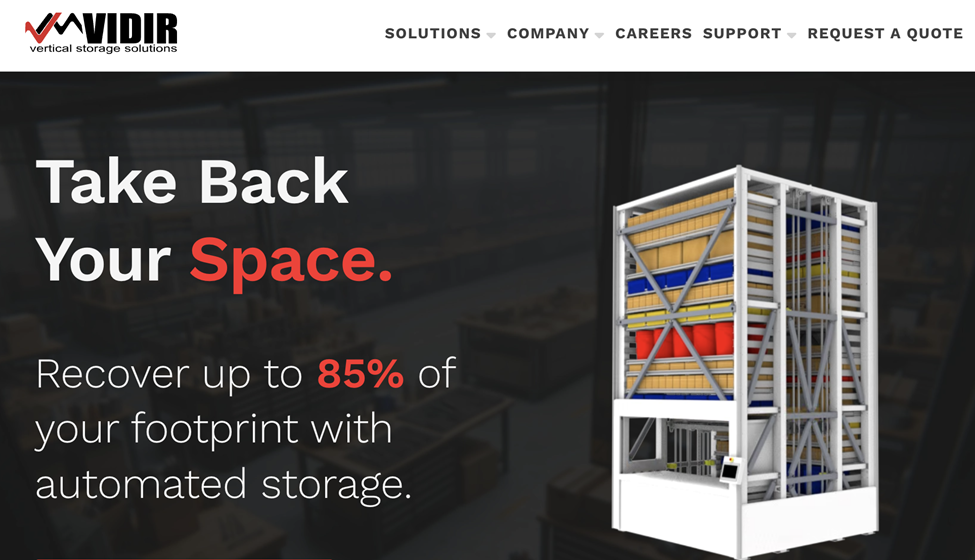
Well-designed vertical lift systems can take back floor space by storing in height. For example, the Vidir Vertical Lift Module can reclaim as much as 85% of space. This can be reassigned to packing benches, returns triage or additional selling areas.
Boosting Picking Accuracy and Speed
Goods-to-person workflows can eliminate the unproductive travel time that typically drags down pick rates. Vertical systems contribute to efficiency by centralizing product, limiting free-roaming picks and enforcing slotting rules.
Enhancing Ergonomics and Employee Safety
Consistent access height reduces the need to bend, reach and use ladders repeatedly. This change improves staff comfort and training consistency during seasonal hiring.
Below is a quick comparison of how Vidir applies vertical storage in manufacturing environments versus retail backrooms.
| Solution | Key Features |
| Vidir for Manufacturing | Uses vertical space to increase storage density, supports organized, repeatable staging and replenishment, and reduces searching and travel with goods-to-person style access |
| Vidir for Retail | Turns backrooms into high-density storage for omnichannel fulfillment, speeds picking for BOPIS and ship-from-store, and improves on-hand confidence through defined locations and more controlled access |
Future-Proofing the Retail Space
Vertical storage supports omnichannel retail success by creating denser capacity, predictable location control and faster retrieval within the space already available. Vidir’s solutions give manufacturers and retailers a reliable path to standardize storage strategy across the full cycle.
*Please note that this list includes sponsored content. Some of the companies, products, or services featured have entered into commercial agreements for placement. Sponsored placements do not necessarily reflect an endorsement and should be considered alongside other options in the marketplace.