The retail shrink story is changing from crisis to control
Subscribe to our free newsletter today to keep up to date with the latest retail news.
For the past three years, retail “shrink” has been a constant talking point. In simple terms, shrink is the gap between what a retailer should have in stock and what is actually on the shelves. That gap can come from theft, but also from damaged goods, admin mistakes or inventory errors.
During and after the pandemic, shrink rose sharply. The explanation seemed straightforward. Theft was increasing, stores were under pressure and retailers were taking the hit. Now, that story is starting to change.
Recent reporting shows that shrink is no longer rising at the same pace. In some cases, it is leveling off or moving closer to pre-pandemic levels. Target, one of the most closely watched US retailers on this issue, has said its shrink rate is now back to where it was before 2020.
That does not mean the problem is solved. Shrink is still higher than it used to be in many parts of the industry. But the key shift is this: retailers appear to have regained some control. What once looked like a crisis is starting to look more like something that can be managed.
It is also becoming clearer that shrink is not just about theft. Retailers such as Home Depot and Best Buy have pointed to a mix of factors, including operational issues and inventory accuracy. Looking at it as a single problem led to narrow solutions. The recent improvement suggests retailers are now tackling it from several angles at once.
Why store operations are doing as much work as security
So what is driving the improvement? It is not one big fix. It is a series of smaller changes that are starting to add up.
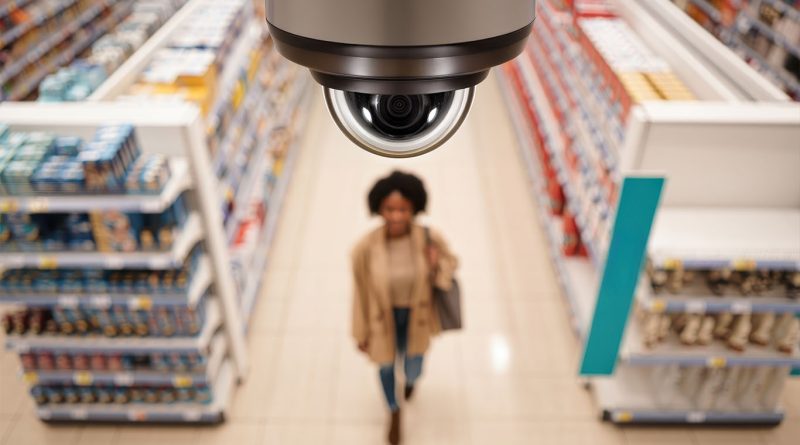
Retailers have invested more in loss prevention, including better surveillance, tighter inventory controls and more staff on the floor. At the same time, they have changed how stores operate. Self-checkout is being reduced or more closely monitored in many locations. High-risk items are more often locked up or kept behind counters.
These steps do not stop theft entirely. But they make it harder and reduce mistakes in tracking inventory. Over time, that starts to show up in the numbers.
There is another factor to keep in mind. During the pandemic, supply chains were disrupted, which made it harder to track inventory accurately. As those systems have stabilized, some of the earlier gaps have narrowed. That makes it harder to say exactly how much of the improvement is due to less theft versus better inventory accuracy.
The takeaway is simple. Shrink is improving because retailers are running tighter operations across the board. The risk has not disappeared, but exposure has been reduced.
The tradeoff between control and customer experience is becoming unavoidable
This leads to the next challenge. The same measures that reduce shrink can also make shopping less convenient.
Locked products, fewer self-checkout options and more oversight can slow things down. Stores can feel less open and harder to navigate. For retailers, this creates a new risk: protecting margins while possibly hurting sales.
So the question is no longer whether to act on shrink. That decision has already been made. The real question is how far to go without damaging the customer experience.
Labor is part of this equation too. More controlled stores often need more staff to monitor activity, unlock items and help at checkout. That increases costs at a time when margins are already tight.
In other words, shrink is now a balancing act. Retailers have to weigh security, labor costs and customer expectations at the same time.
Retailers are moving from crisis response to capital allocation decisions
With shrink stabilizing, the focus is shifting again. In the past few years, retailers moved quickly to put security measures in place. Now they need to decide which of those investments are worth keeping.
Some changes may turn out to be temporary. Others, like better analytics and stronger inventory systems, are likely to stay. The challenge is figuring out what actually improves performance and what simply adds cost.
There is also a shift in how the problem is being understood. Earlier, much of the discussion focused on organized retail crime. That is still part of the picture, but it is no longer the whole story. Shrink is now seen as the result of several factors working together.
For retail leaders, this opens the door to rethink how stores are designed and run over the long term. The goal is not to go back to how things were before, but to build a more resilient model.
Shrink may not dominate headlines in the same way, but it still matters. It remains a clear signal of how well a retailer is operating. The companies that perform best from here will be the ones that treat recent progress as a starting point, not an endpoint.
Sources
Independent