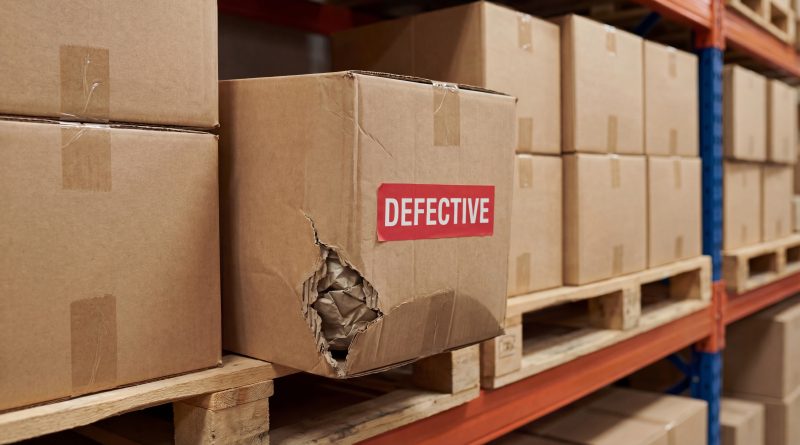
What’s the Best Approach to Managing Bulk Defective Inventory?
The stakes are high when you have a shipment of defective goods sitting in your warehouse. Your bulk defective inventory ties up valuable capital, threatens customer relationships and puts your brand reputation at risk.
For professionals in consumer goods and retail, this scenario demands swift action and smart decision-making to minimize losses and protect business health.
The Hidden Costs of Inaction
Ignoring defective inventory creates compounding financial and reputational problems.
Understanding the Financial Impact
Bulk defective inventory creates significant financial losses extending beyond the initial hit. You need to write off unsellable products, while clearance sales reduce profit margins and defective goods immobilize your capital. Plus, warehouse and insurance costs can accumulate as disposal fees add expense.
These challenges present an opportunity, especially if some of the faulty products made it to customers. You can identify product return trends to make pricing adjustments, improve quality control or refine demand planning, which turns a setback into an advantage.
This is where partnering with a specialist can be a key part of the strategy. Those able to offer fast turnaround times and high capacity for urgent projects, such as Quality Corrections & Inspections, can help mitigate holding costs and lost sales.
Protecting Your Brand Reputation and Customer Trust
When bulk defective inventory leads to customer complaints, your response determines whether you build trust or damage relationships. Ignoring problems or implementing difficult return processes signals profit over satisfaction.
Taking accountability, offering replacements or refunds, and communicating corrective actions show that you value your customers’ business, which builds confidence. Ford’s recall of more than 1.5 million vehicles over defects exemplifies this strategy.
In contrast, Volkswagen’s attempt at dodging necessary recalls damaged its credibility, which led to severe legal and brand consequences.
If your return policies include replacements, the fast turnaround of a rework partner like QCI may help you meet commitments while maintaining satisfaction. Having accommodating return terms influences the purchasing decisions of 82% of online shoppers, which can help you build client trust.
Frequently Asked Questions
Common questions about fixing bulk defective inventory often center on logistics, customer expectations and strategic decisions.
What is reverse logistics, and why is it important?
Reverse logistics involves moving goods from end consumers back to retailers or manufacturers, including returns, recalls, recycling and repairs. It helps businesses recover value, minimize waste, reduce costs and build loyalty.
How much do return policies influence customer purchasing decisions?
Return policies significantly impact buying decisions. Studies show that 82% of online shoppers base their choice to buy from a retailer on these terms. Strict guidelines can cause cart abandonment, while positive experiences often lead to repeat purchases and stronger relationships.
Is it better to rework defective products or discard them?
Reworking generally works better when fixing defective goods, as it often costs less than replacement and disposal. According to the rework industry leaders at QCI, even targeted defects like mold, packaging issues, workmanship problems or labeling errors may be correctable enough to restore inventory to brand standards.
However, you should choose to discard products when defects compromise safety, quality standards, or regulatory compliance.
Turning Quality Challenges Into Opportunities
Managing defective inventory extends beyond damage control. You can turn it into an opportunity to reclaim value, protect your brand and gather data. When you address quality challenges proactively with the right partner, you transform losses into strategic advantages that minimize immediate impact.
*Please note that this list includes sponsored content. Some of the companies, products, or services featured have entered into commercial agreements for placement. Sponsored placements do not necessarily reflect an endorsement and should be considered alongside other options in the marketplace.