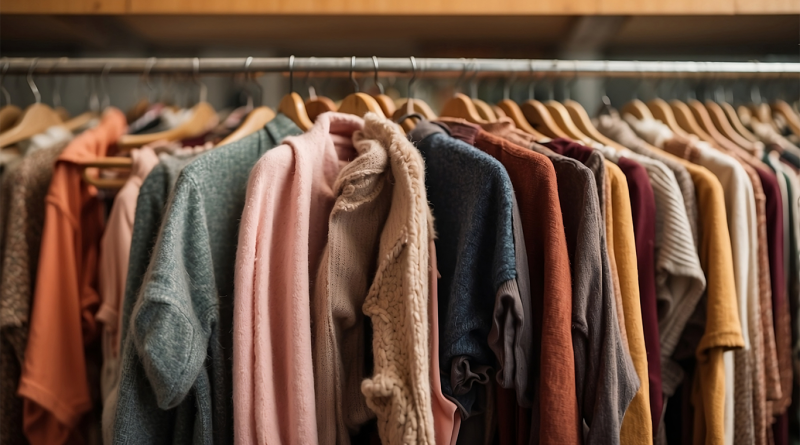
Why Gen Z is leading the thrift shopping boom
Subscribe to our free newsletter today to keep up to date with the latest retail news.
For years, thrift shopping was viewed as a niche activity, associated with charity shops, vintage enthusiasts and dedicated bargain hunters. Today, it has become one of the fastest-growing segments of the retail market, driven by a generation facing rising living costs, growing environmental concerns and a desire for individuality.
The resurgence of secondhand fashion is not simply a trend. It reflects a broader shift in consumer behaviour, particularly among Generation Z, who are increasingly questioning the value of fast fashion and seeking alternatives that offer affordability, quality and sustainability.
Recent data suggests the secondhand apparel market has become a significant force within the fashion industry. The US secondhand clothing market has grown rapidly over the past five years and is now worth more than $60 billion, with projections pointing to continued expansion throughout the decade.
At the centre of this growth is a generation that has come of age during periods of economic uncertainty. Unlike previous generations that experienced relatively stable retail environments, Gen Z consumers have entered adulthood amid inflationary pressures, higher housing costs and increased financial anxiety.
As a result, value has become a critical factor in purchasing decisions.
According to research from Bank of America cited by NBC News, secondhand transactions have risen sharply as consumers seek more affordable ways to shop. Younger consumers are leading this movement, with nearly two-thirds of Gen Z purchasing secondhand items over the past year.
Yet the appeal extends beyond simple cost savings. Today’s thrift shoppers are not merely looking for the cheapest option. They are searching for products that offer quality, uniqueness and longevity.
A reaction against fast fashion
The growth of thrift shopping has occurred alongside growing scrutiny of fast fashion.
Over the past two decades, retailers have perfected a model that allows consumers to buy trend-led clothing at exceptionally low prices. Brands can move designs from concept to store shelves in weeks, encouraging frequent purchases and rapid wardrobe turnover.
However, consumers are becoming increasingly aware of the trade-offs involved.
Many low-cost garments are produced using materials that wear out quickly, creating a cycle of repeated purchases. Environmental concerns have also intensified as reports highlight the waste generated by the fashion industry and the significant resources required to produce new clothing.
For younger shoppers, secondhand fashion offers a way to step outside this cycle.
A vintage denim jacket or well-made wool coat may cost less than a new equivalent while offering superior durability. In many cases, shoppers can access premium brands at a fraction of their original retail price.
This shift represents a growing preference for value over volume.
Industry research suggests that younger consumers are increasingly evaluating products based on resale value and longevity. Many now search secondhand marketplaces before purchasing new items, demonstrating how resale has become integrated into mainstream shopping behaviour rather than remaining an occasional alternative.
The result is a market that increasingly competes directly with traditional retail.
According to ThredUp’s latest resale research, resale is no longer simply growing alongside conventional fashion. It is actively capturing market share from traditional apparel retailers as consumers redirect spending toward secondhand alternatives.
The thrill of discovery
While economics and sustainability often dominate discussions around thrifting, another factor helps explain its popularity: enjoyment.
Unlike conventional retail environments, thrift stores offer an element of unpredictability.
A visit to a secondhand store can uncover designer clothing, vintage pieces, discontinued products or unique items unavailable elsewhere. This sense of discovery transforms shopping from a transaction into an experience.
For many younger consumers, thrift shopping resembles a treasure hunt.
Social media has amplified this appeal. Platforms such as TikTok and Instagram are filled with content showcasing remarkable thrift finds, styling tips and resale success stories. What was once considered secondhand has become aspirational.
The growth of online resale platforms has further expanded access. Digital marketplaces allow consumers to search vast inventories of secondhand products, while advances in recommendation technology and artificial intelligence are making it easier for shoppers to discover specific items.
The combination of physical treasure hunting and digital convenience has created an ecosystem that appeals strongly to younger consumers who expect both entertainment and efficiency from their shopping experiences.
Research suggests that affordability remains the primary motivation for many shoppers, but the excitement of finding unique items has become an increasingly important part of the appeal.
Sustainability becomes a purchasing decision
Environmental awareness continues to shape consumer behaviour, particularly among younger demographics.
Fashion is estimated to contribute significantly to global greenhouse gas emissions and generates millions of tonnes of textile waste annually. Against this backdrop, extending the life of existing garments has become an attractive alternative to purchasing newly manufactured products.
Thrift shopping allows consumers to participate in a circular economy model where products remain in use for longer rather than being discarded.
Industry studies indicate that purchasing secondhand clothing can reduce carbon emissions, water usage and overall resource consumption compared with buying new garments. Consumers increasingly recognise these benefits and cite sustainability as a major reason for choosing resale channels.
Importantly, sustainability and affordability are no longer viewed as competing priorities.
Previous generations often associated environmentally conscious shopping with higher costs. Today’s resale market demonstrates that consumers can reduce environmental impact while also saving money.
This alignment of financial and environmental interests has created a powerful growth driver for the sector.
Retailers have noticed. Many fashion brands now operate their own resale programmes or partner with secondhand platforms to retain customers who increasingly expect circular shopping options.
A permanent shift in retail
The rapid growth of thrift shopping suggests that secondhand retail is evolving from a trend into a structural component of the fashion industry.
Economic pressures may have accelerated adoption, but several long-term forces continue to support growth. Younger consumers are comfortable purchasing used goods online. Sustainability concerns remain prominent. Technology is making resale more accessible. At the same time, consumers continue to seek products that offer greater quality and value.
The secondhand market is projected to expand significantly over the coming years, with analysts forecasting continued growth that outpaces traditional apparel retail. Global resale sales are expected to approach $400 billion by the end of the decade, supported largely by Gen Z and millennial consumers.
For retailers, the message is becoming increasingly clear. The future of fashion may not be defined solely by what is new.
Instead, success may depend on understanding a generation that sees value differently. For these consumers, the appeal of secondhand fashion extends far beyond lower prices. It offers quality, individuality, sustainability and the thrill of finding something that nobody else has.
In an era of economic uncertainty and growing environmental awareness, those qualities are proving remarkably fashionable.
Source: