Why Gen Z is pushing retailers back toward physical stores
Subscribe to our free newsletter today to keep up to date with the latest retail news.
After years of ecommerce dominance, younger consumers are pulling retailers back toward physical stores. New survey data from o9 Solutions suggests the shift is not a temporary rebound from pandemic-era restrictions, but part of a broader change in how consumers want to shop.
The company’s survey of 1,000 US consumers found that 69% plan to shop both online and in-store this summer. Only a small minority of Gen Z and Millennial consumers expect to shop exclusively online, despite being the demographics most associated with digital commerce.
The findings arrive at a difficult moment for retailers already dealing with inflation-sensitive consumers, uneven inventory flows and shifting tariff conditions. Omnichannel retail may have become standard industry language years ago, though the operational complexity behind it is becoming harder to ignore.
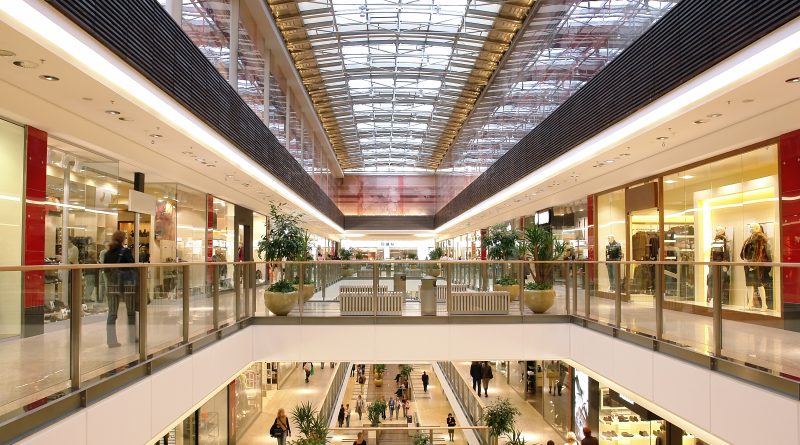
For younger shoppers, physical retail increasingly serves a social role as much as a transactional one. Viral online trends such as “mallmaxxing” have reframed malls and shopping districts as leisure destinations for discovery, social interaction and entertainment. That behavioral change is beginning to influence inventory planning and supply chain strategy across multiple retail categories.
Younger consumers are reshaping how retailers think about demand
The strongest spending signals in the survey came from Gen Z and Millennials. Around 62% of Gen Z consumers and 61% of Millennials said they expect to spend more this summer compared with last year.
That matters because younger consumers are often early indicators of wider retail trends. Retailers spent much of the last decade optimizing for ecommerce fulfillment speed and digital customer acquisition. The assumption was that younger demographics would continue moving further online. Instead, many are blending digital discovery with physical purchasing.
Social media remains central to the customer journey, though increasingly as a mechanism for inspiration rather than transaction completion. Consumers may discover products through TikTok or Instagram, compare prices online and then visit stores to complete purchases in person.
For retailers, that creates a more fragmented demand picture. Traditional forecasting models built around linear purchasing behavior become less reliable when consumers switch fluidly between channels. Inventory allocation also becomes harder when demand spikes emerge simultaneously online and in physical stores.
Retail executives are now facing a planning environment where inventory must remain flexible. Products positioned too heavily toward ecommerce risk leaving stores understocked during peak shopping periods. The reverse problem also persists, particularly in categories where online demand remains volatile.
The challenge is especially pronounced in apparel and seasonal merchandise, where trends can accelerate rapidly through social media exposure. Younger consumers are also less brand loyal than previous generations, making forecasting even less predictable.
Many retailers have responded by investing more heavily in real-time demand sensing technologies and AI-driven planning systems designed to shorten reaction times between consumer behavior and inventory movement.
Omnichannel retail is becoming an operational balancing act
The operational strain behind omnichannel commerce is increasingly visible throughout retail supply chains.
Retailers are no longer managing separate online and store businesses. They are managing a single inventory ecosystem where customers expect products to be available everywhere at once. That expectation places pressure on warehousing, replenishment strategies and transportation networks.
The survey’s findings around food and beverage spending illustrate the problem clearly. Around 53% of consumers identified food and beverages as a leading summer spending category, ahead of clothing at 40%. Food categories often involve tighter replenishment windows, shorter product life cycles and higher transportation sensitivity.
At the same time, geopolitical uncertainty and global shipping disruptions continue affecting inventory reliability across several consumer categories. Retailers that previously relied on long planning cycles are finding those models increasingly difficult to sustain.
This is partly why demand sensing has become one of the fastest-growing areas of retail technology investment. Rather than relying primarily on historical sales patterns, retailers are attempting to integrate real-time consumer signals, weather data, promotional activity and social trends into forecasting models.
The objective is speed rather than perfect prediction. Retailers understand that consumer behavior has become too fragmented for static forecasts to remain effective over long periods.
AI systems are also being used more aggressively for scenario planning. Retailers can model how inventory shortages, transportation delays or sudden demand spikes may affect product availability across different regions and channels. That capability became particularly valuable during pandemic-era disruptions and continues to shape investment priorities today.
Large retailers with advanced supply chain infrastructure may be better positioned to absorb this complexity. Midmarket retailers, by contrast, face tighter margins and less operational flexibility, making omnichannel execution considerably harder.
Retailers are entering a more unpredictable consumer era
The broader message from the survey is not simply that consumers want both online and physical shopping options. Retailers have understood that for years.
What is changing is the speed and unpredictability of demand behavior, particularly among younger consumers who move rapidly between digital influence and physical purchasing.
That shift places growing importance on visibility across the entire retail operation, from supplier networks and inventory positioning to store-level demand forecasting. Retailers that can react quickly to behavioral changes may gain an advantage in categories where trends emerge and disappear within weeks.
Physical retail is unlikely to replace ecommerce as the dominant growth engine. The current direction points toward a blended environment where stores function as fulfillment centers, brand experiences and social destinations simultaneously.
For supply chain leaders and retail planners, operational agility is becoming a baseline requirement for managing modern consumer volatility.
Source